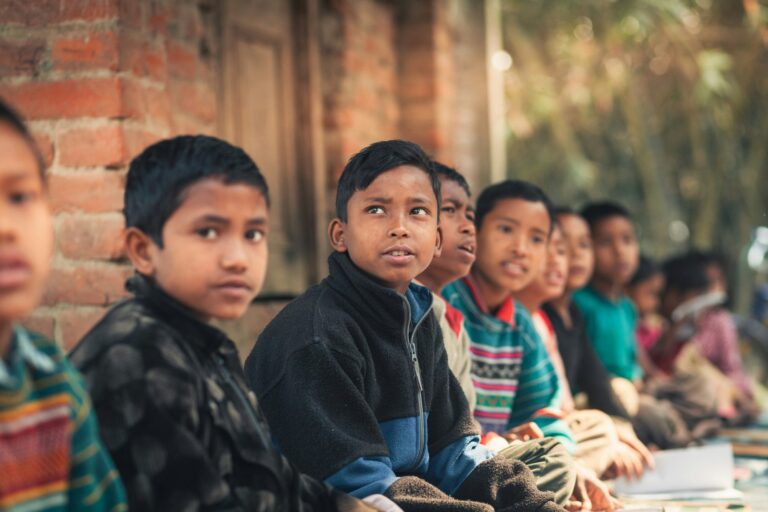
War and conflict

Almost half of the 1.1 billion people in extreme poverty live in places suffering from conflict. And once war has started, violence can become endemic; almost half of all peace agreements fail within five years. But war can sometimes be a lesser evil, too: military interventions can stop genocides and free people from brutality. When is it right for a country to go to war? What, if anything, can justify politically-motivated violence? And what should people do when confronted by war?
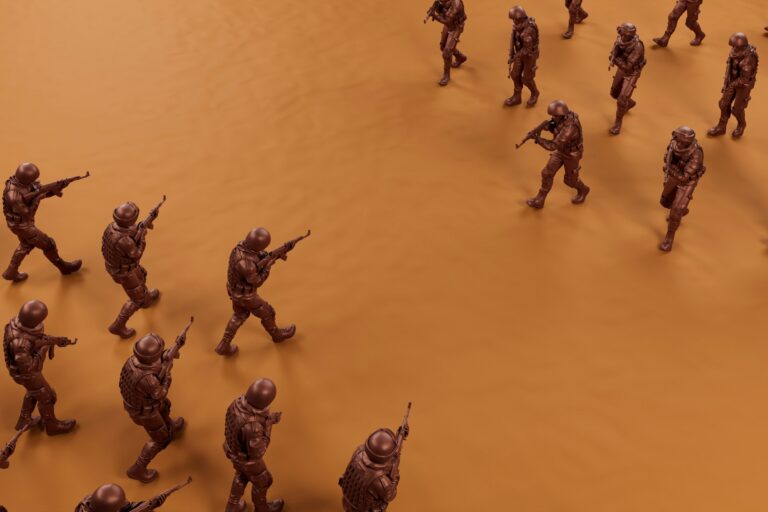

How war has changed

War is back — but it doesn’t look like it used to. Why conflicts are more fragmented, more civilian-targeting, and harder to end than at any point since 1945.

Impersonal warfare: The ethics of drones

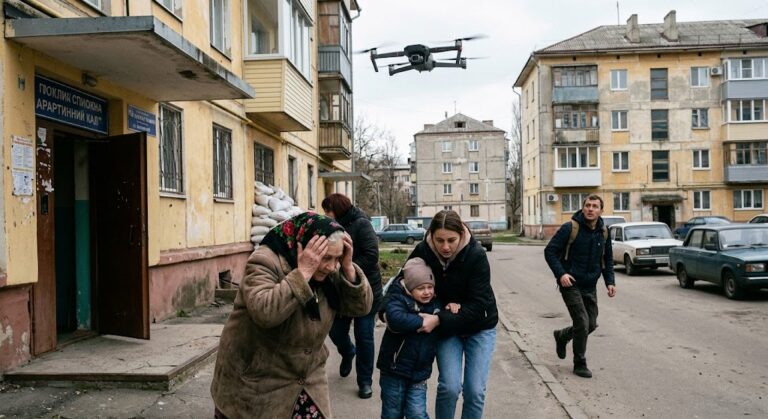
Drones now cause most deaths in the Russia-Ukraine war. They’re meant to save lives and reduce collateral damage — so why is civilian harm actually rising?

Can Just War Theory apply to modern conflicts?

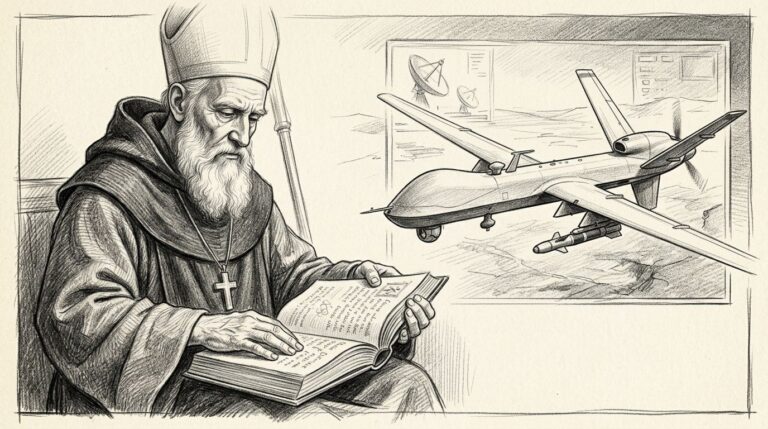
St Augustine’s 1,600-year-old rules for a “Just War” still shape how we judge Ukraine, Kosovo, and modern conflict — but do his six conditions hold up, or need rethinking?

The ethics of modern deterrence

What happens when defending democratic values requires breaking the very rules meant to uphold them? How far can — and should — deterrence go before it stops being ethical?

Themes & programmes