Diplomacy and foreign affairs

For thousands of years, diplomats have managed the relationship between tribes, cities, societies and countries. Done well, diplomacy can prevent war, instil trust and spur prosperity. But it can come at a cost, too. When should diplomats lie, or conceal the truth? How do the responsibilities of diplomats change as political authority moves from nations to other entities – like corporations and international bodies? And what is ethical diplomacy?


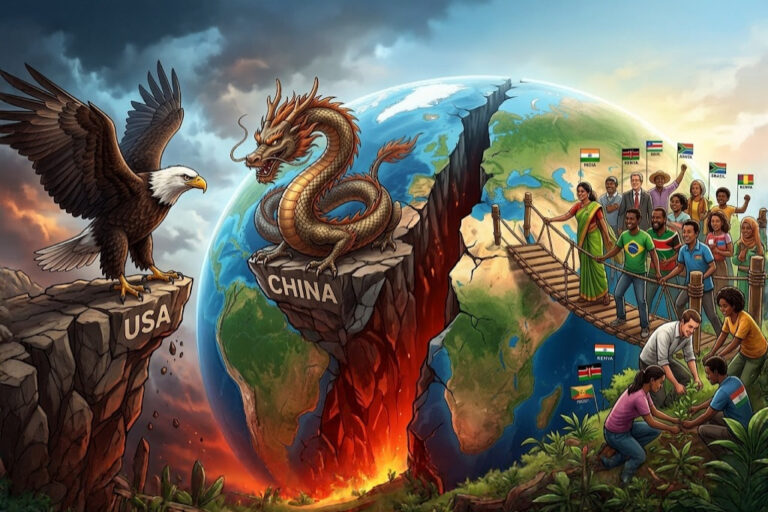
“If we’re not at the table, we’re on the menu”: Is Carney’s view of a changing world order sustainable?

At Davos, Mark Carney urged middle powers to stop “living within a lie” and unite beyond US-China hegemony. Is his vision of value-based realism actually workable — or wishful thinking?

Is it always wrong to negotiate with terrorists?

“We do not negotiate with terrorists” sounds principled — but does it actually save lives? Why talking and negotiating aren’t the same thing, and when engaging with violence might end it faster.

Should Indiana Jones eat the monkey brain?

Indiana Jones’ dinner dilemma in the Temple of Doom reveals deeper truths about diplomacy, cultural relativism, and when ends really do justify the means.

Doing the right thing can make us safer, stronger and richer

Ditching foreign aid, alienating allies, slashing soft power — is “America First” actually making the US weaker? Why ethics in foreign policy isn’t just altruism, but a strategic asset worth billions.

Themes & programmes