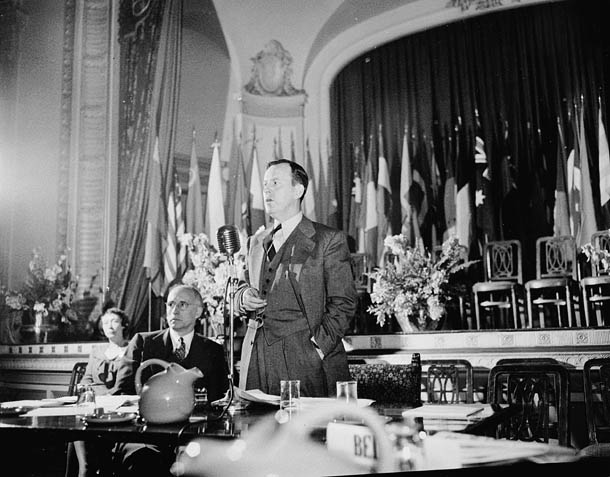
The world emerged from the horrors of the 1940s optimistic in several ways. New economic institutions were set up to protect it from another global depression. Ideologies in both the victorious superpowers offered hope for better health and education. And, through the mighty Security Council of the United Nations, borders would never again be changed by force of arms.
Whereas from 1914 to 1945, some 200 million people had been killed by war, revolution or the epidemics and civil upheaval they caused, that number fell by an order of magnitude in the decades of the Cold War. For sure, human rights abuses continued, especially in parts of the communist world, and in proxy wars where West and East clashed, but they were far less bad than in the first half of the century.
And with the Peace Dividend in the 1990s, which followed the demise of the Soviet Union, there were legitimate hopes that conflict could be eradicated further – perhaps even eliminated, as polio and smallpox had been by vaccines.
Early trends backed this up: fewer wars, fewer deaths, more peace deals. Mass killing in places like Bosnia and Rwanda led to shame on those countries which might have stopped them. It meant that atrocities in places like Kosovo and Sierra Leone were forestalled, or at least interrupted.
But data from ACLED, the group that tracks political violence worldwide, tells a harder story. Conflict has rebounded.
In 2025 alone, ACLED logged more than 185,000 violent events across the globe — almost double the number from just four years before. And the shape of this activity has shifted. War is no longer mostly armies fighting armies on a front line. It is messier, more scattered, and far less bound by rules.
Most violence now takes place within countries, where disputes have festered and returned. Groups battle within societies. With only a few exceptions, such as Russia’s bid to subjugate Ukraine, conflict tends to take place within nations rather than between them.
Three other changes stand out.
First, wars now involve far more actors. A civil war in the 1990s typically had just two or three sides. Today, some conflicts have dozens. Myanmar alone has seen over 1,200 distinct armed groups take part in violence. Fighting no longer stops cleanly when one side loses; more often, the violent actors will splinter, and new groups will rise from the wreckage. This makes peace deals harder to strike, and harder still to keep: a rogue actor may see an incentive to break away from a diplomatic settlement, using violence as a way to demand more from the deal.
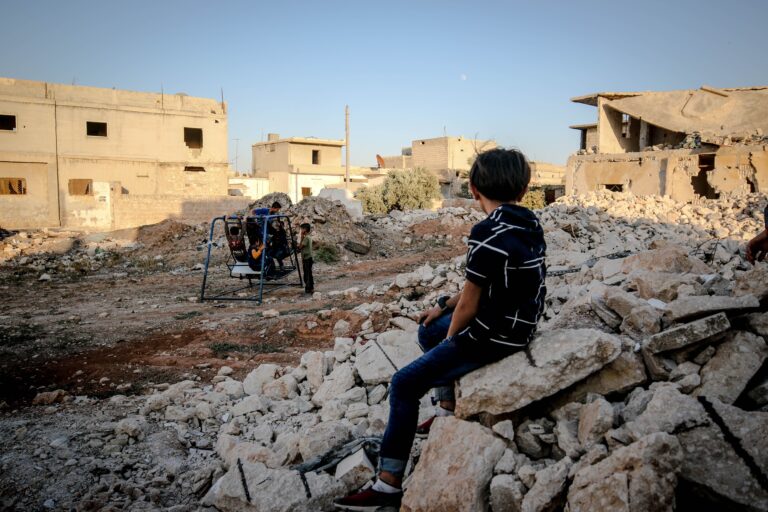
Second, civilians have more often become the target, not just the backdrop. Older wars, however brutal, differentiated between soldier and civilian. But the distinction is fading. Armed groups increasingly attack civilians on purpose. Around 745 million people now live close enough to conflict to feel its daily threat. This, in turn, means displacement is at record highs, both internally displaced people (IDPs) and refugees.
Third, wars rarely end in simple ways. Ceasefires collapse. Old fighters regroup under new names. Research on civil wars finds that roughly six in ten conflicts that ended in the early 2000s flared up again within five years. Victory used to close a chapter. Now it often just pauses the story.
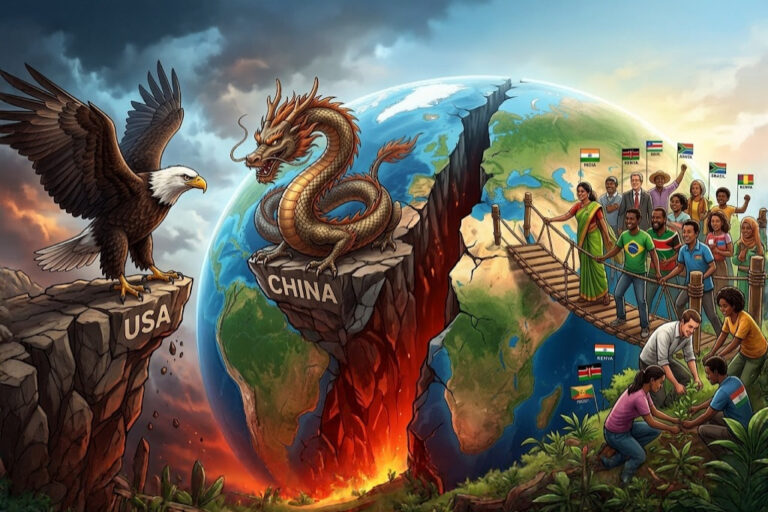
Behind these shifts sits a deeper change: the abandonment of norms. For decades after 1945, most states — even hostile ones — accepted some shared rules about how force should be used. Those guidelines are weakening. Governments and armed groups alike now show less concern for the old limits, and less fear of the consequences for ignoring them. Outside powers, too, are more willing to arm, fund, or fight inside other countries’ wars, turning local conflicts into proxy contests.
None of this means the world is at some new peak of pure violence — deaths from war remain far below the totals seen in the two World Wars. But the character of conflict has changed in ways that matter. Wars are more fragmented, more civilian-facing, and harder to end. Peacemaking has become even harder than before.
For policymakers, this should reshape thinking. Old tools built for state-on-state war — treaties, ceasefire lines, formal armies to disarm — are not enough for this new landscape. If war has changed its shape, our means of ending it must change too.
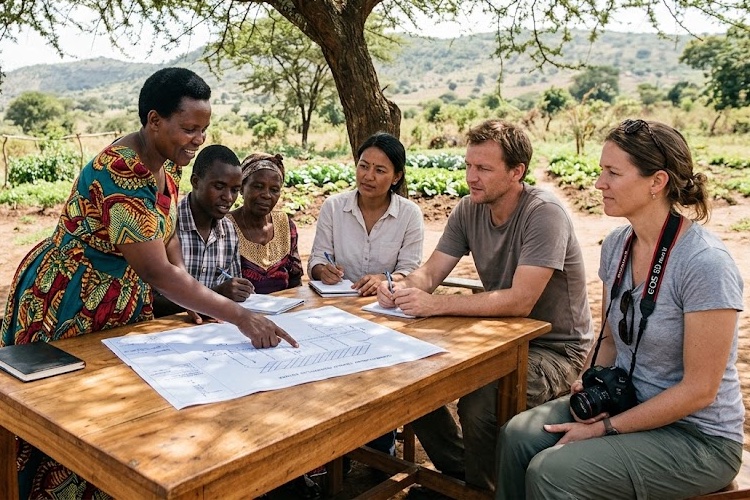
And it means those who seek to deploy ethics to make wars less harmful, if they are to have an effect, need to think and act in new ways. Norms used to be upheld by powerful states, and capital cities had a role in protecting longstanding definitions of right and wrong. Fewer states do this now, which means the responsibility to uphold ethics in international affairs falls more than ever before on individual citizens.